Things to do in Bath, England — and why it deserves more than a day trip


Nestled in the rolling hills of Somerset, the city of Bath stands as a unique testament to thousands of years of history. It's a place where Roman ingenuity, Georgian elegance, and modern vibrancy meet, creating an atmosphere that has captivated visitors for centuries.
3 minute read
Bath is one of those rare cities that genuinely lives up to its reputation. A UNESCO World Heritage Site, a Georgian masterpiece, a Roman relic, and a thoroughly enjoyable place to spend time — it earns every superlative thrown at it, and then some. Whether you're planning a weekend break or looking for the perfect base to explore the wider West Country, here's why Bath should be near the top of your England itinerary.
The story of Bath begins underground, with three natural hot springs that have been bubbling up from the earth for millions of years. The Romans recognised something sacred in them. Around 70 AD, they built one of the finest religious spa complexes in the ancient world directly above the source — and remarkably, much of it is still there.
The Roman Baths is one of the best-preserved Roman sites in northern Europe, and visiting it is a genuinely immersive experience. You walk the same paved surfaces as Roman citizens did two thousand years ago. The Great Bath still steams. The surrounding museum displays gold coins, carved gemstones, and a haunting collection of curse tablets — small sheets of pewter on which Romans inscribed their grievances and threw into the sacred waters. The detail and scale of what survives is extraordinary.
Allow at least two hours, and consider visiting early in the morning or late afternoon to avoid the busiest crowds.
In the 18th century, Bath reinvented itself as the most fashionable spa resort in England, and the city was rebuilt to match its ambitions. The architecture of this period is among the finest in Britain — and the best of it is concentrated within easy walking distance of the city centre.
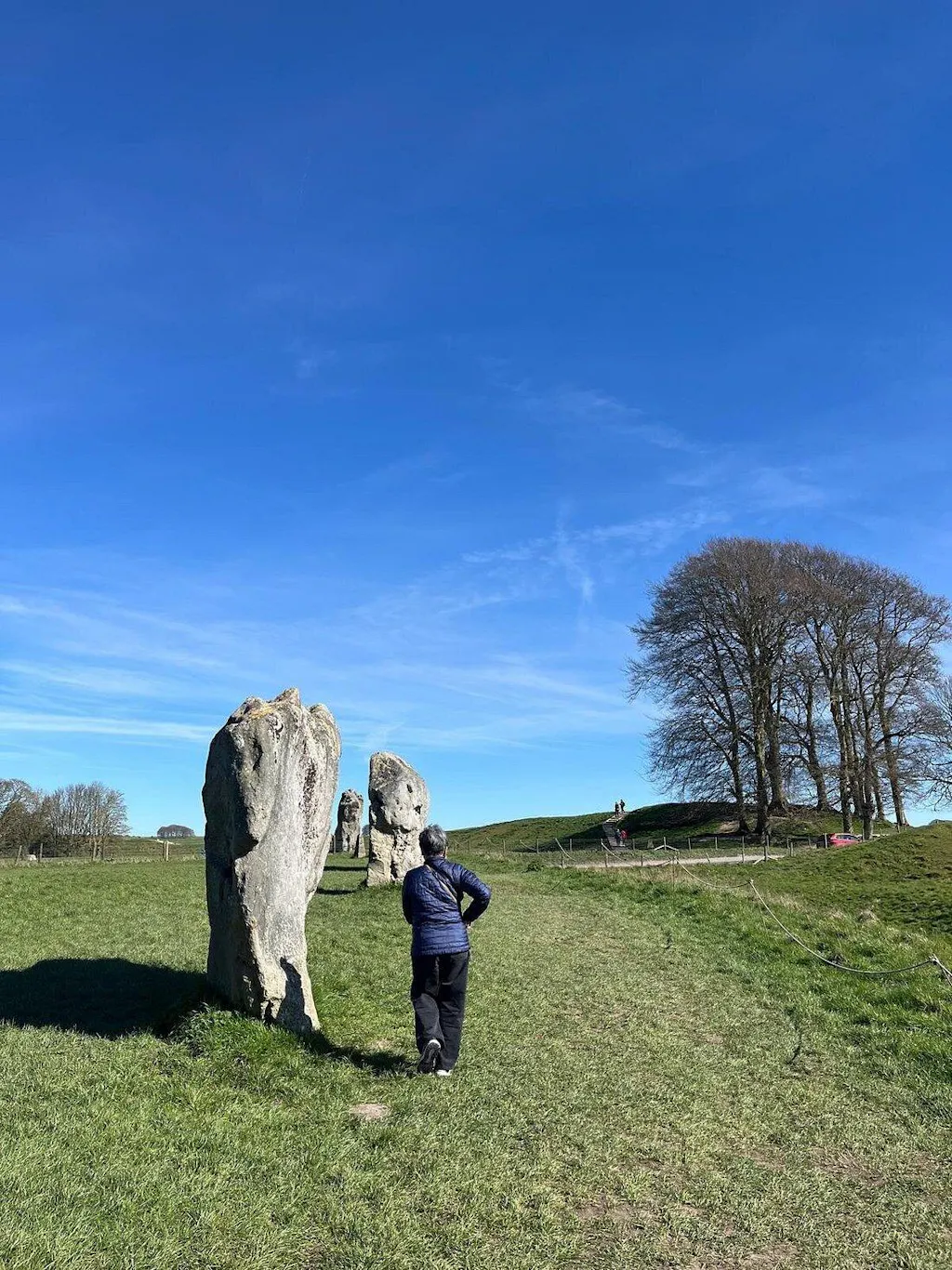
The Royal Crescent is the centrepiece: a sweeping arc of thirty terraced houses that curves across the hillside above the city in a single, unbroken line of Bath stone columns. It's one of the great set pieces of British architecture, and it still stops people in their tracks. Nearby, the Circus forms a perfect circle of grand townhouses, their facades carved with acorns, wreaths, and enigmatic masonic symbols. John Wood the Elder, who designed it, is said to have intended it as a complement to Stonehenge — a circle of stone in the landscape for a circle of stone in the city.
Down in the valley, Pulteney Bridge is one of only a handful of bridges in the world with shops built along both sides. Cross it, wander down Great Pulteney Street, and you'll understand why Bath has been a filming location almost as reliably as the Cotswolds.
For lovers of classic literature, Bath is hallowed ground. Jane Austen lived in the city between 1801 and 1806, and her feelings about it were — famously — complicated. She found its social rituals claustrophobic and its drawing rooms exhausting, which meant she wrote about it with a sharpness that her more comfortable locations never quite inspired. Northanger Abbey and Persuasion are both set here, their pages full of the Assembly Rooms, the Pump Room, and the very streets you can still walk today.
The Jane Austen Centre on Gay Street tells her story in depth, but even without a ticket, simply wandering the Georgian city is its own kind of literary experience. The backdrop hasn't changed as much as you might expect.
You can read about Bath's hot springs, or you can get in them. Thermae Bath Spa lets you do the latter, and the experience is as good as it sounds. The rooftop pool — warm, mineral-rich water, open-air, views across the rooftops and spires of the city — is one of those things that feels like a genuine treat rather than a tourist box to tick. It's particularly good at dusk, when the city lights start to come on and the steam rises around you.
Book in advance, especially at weekends. Towels are available to hire, but a swimsuit is not negotiable.
Bath is an excellent city to simply be in. Its compact, largely pedestrianised centre rewards aimless walking in a way that few English cities do. The independent food scene is strong — from the famous Sally Lunn's, home to the city's original oversized bun and one of the oldest houses in Bath, to a cluster of excellent restaurants around Milsom Street and the Bartlett Street area.
The Guildhall Market is good for a browse, the Holburne Museum at the end of Great Pulteney Street has a beautiful permanent collection and regularly excellent temporary exhibitions, and the Victoria Art Gallery on the riverfront is free and consistently underrated.
Many visitors to England make the mistake of treating Bath as a stop rather than a destination. It tends to appear on itineraries as a day trip from London, sandwiched between Stonehenge and somewhere else, with barely enough time to see the Roman Baths before the coach departs.
It's worth reconsidering. Getting to Bath from London could hardly be simpler — direct trains from London Paddington with Great Western Railway run throughout the day, with the fastest services arriving at Bath Spa station in around 80 minutes. That's less time than it takes to cross London at rush hour. For a budget-friendly alternative, National Express coaches run regularly from London Victoria, taking around three hours but costing considerably less.
Once you're here, the rewards of staying rather than passing through become quickly obvious. Bath has excellent hotels, guesthouses, and self-catering options at every price point, the city feels entirely different in the early morning and evening when the day visitors have gone, and the dining options make for genuinely good evenings out.
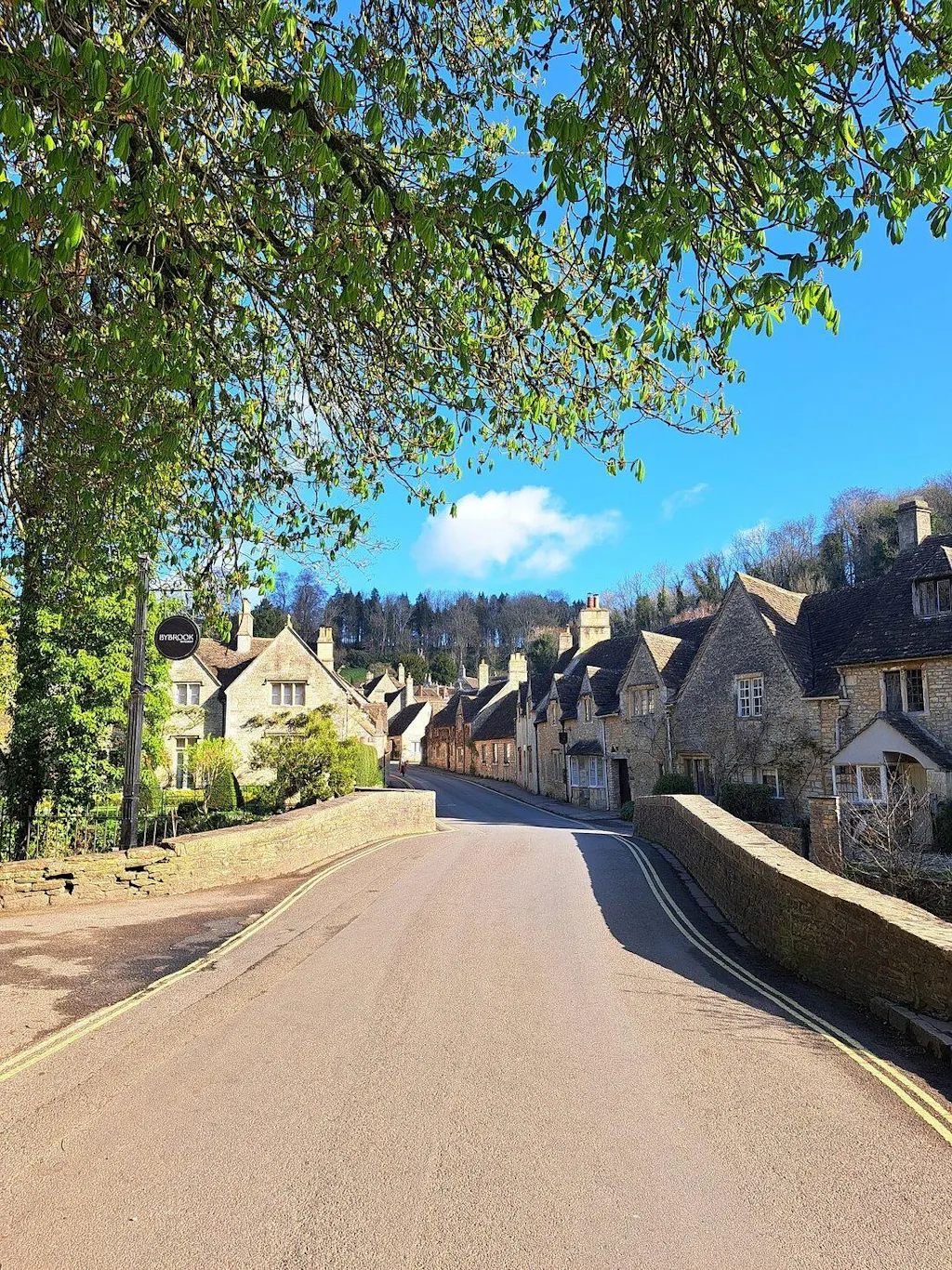
The more strategic reason to stay, though, is what it unlocks the next morning. The Cotswolds — one of England's most beautiful and most visited regions — is right on Bath's doorstep. Rather than attempting the Cotswolds as an exhausting add-on to a London day, staying in Bath means you can set off rested, take the scenic backroads, and actually let the villages breathe. There's a very different feeling to arriving at Castle Combe at nine in the morning with a full day ahead of you.
The Cotswolds is best explored on its own terms — slowly, on the narrow country lanes, stopping where the mood takes you. Our Cotswolds tour from Bath takes you through Castle Combe, Bibury, Bourton-on-the-Water, and Stow-on-the-Wold with a local guide who knows the stories behind the stones. For something more ambitious, the Cotswolds and Stonehenge tour from Bath pairs the honey-stone villages with a visit to one of the world's great prehistoric monuments.
Small groups. Scenic routes. Guides who genuinely love this part of England.

Proudly independent member of the Go Tours UK family