Why visit the Cotswolds?


Stretching across six counties of rolling English hills, this designated Area of Outstanding Natural Beauty is a landscape of dry-stone walls, ancient woodland, and villages built from the region's distinctive honey-coloured limestone. Time moves differently here. The roads narrow, the pace slows, and the view from almost any hillside looks much as it did five hundred years ago. If you're planning a trip to England and wondering whether the Cotswolds deserves a place on your itinerary, the answer is simply yes. Here's why.

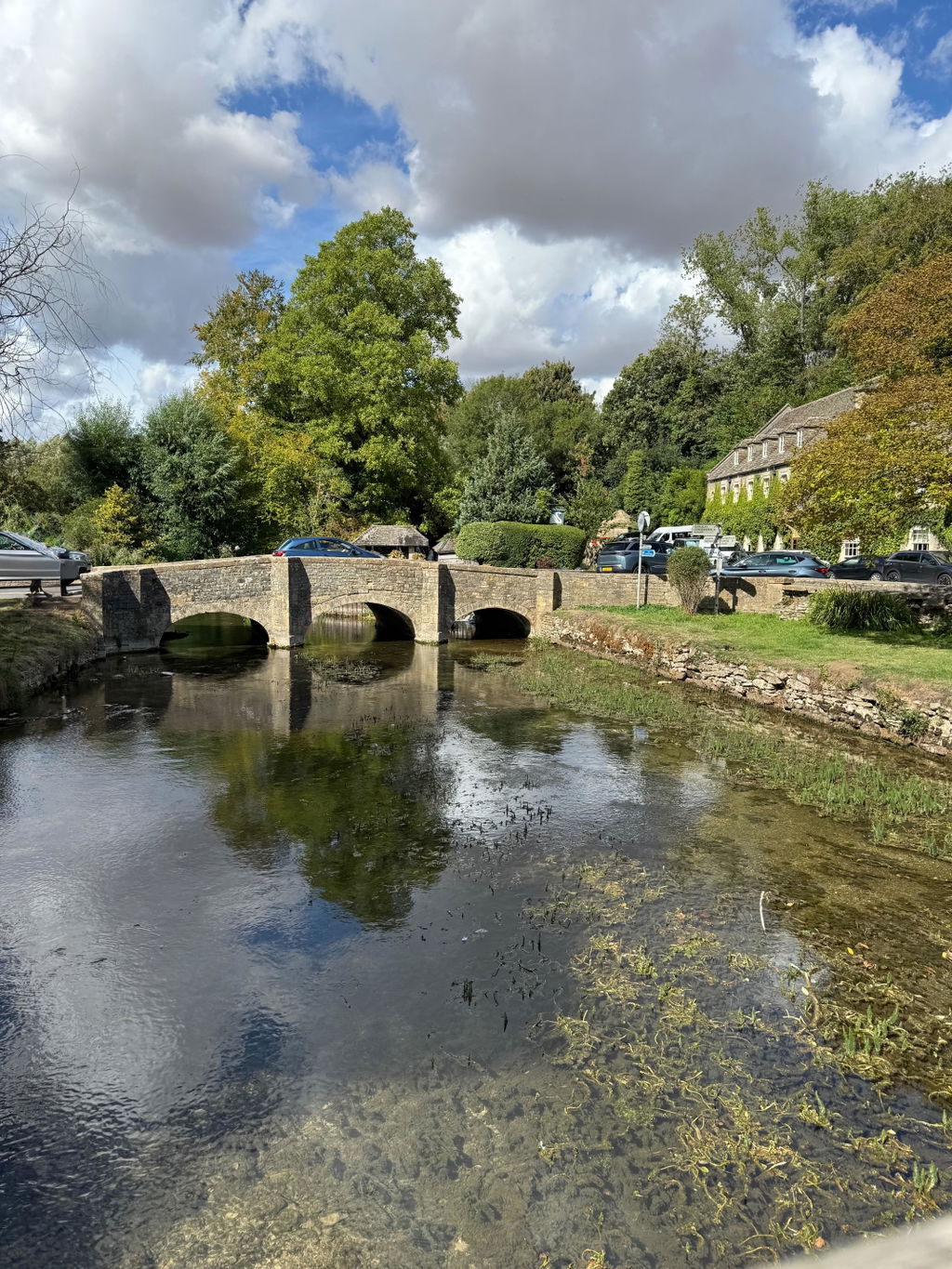
Few places in the Cotswolds stop visitors in their tracks quite like Castle Combe. Tucked into a wooded valley, this immaculately preserved village is made up of weavers' cottages with stone-tiled roofs, a handsome market cross, and the gentle River Bybrook winding beneath a medieval stone bridge. There are no overhead wires, no TV aerials, and no modern intrusions to spoil the scene, which is precisely why film crews keep returning. Castle Combe has served as a backdrop to productions ranging from Doctor Dolittle to Downton Abbey, and walking its main street, it's easy to understand why directors find it irresistible. It looks exactly like England is supposed to look.

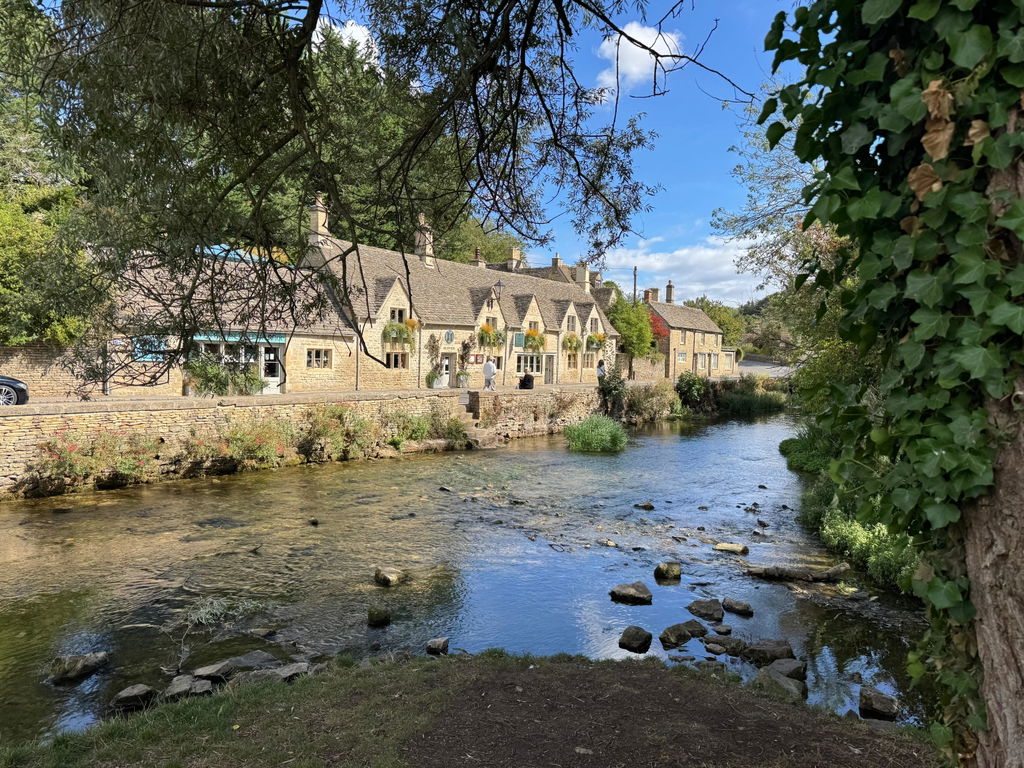
Described by William Morris as "the most beautiful village in England," Bibury is home to one of the country's most iconic and photographed streets: Arlington Row. This charming line of 14th-century weavers' cottages, with their steeply pitched roofs, looks like it was designed for a fairytale. The crystal-clear River Coln meanders through the village, its banks forming a tranquil water meadow known as Rack Isle, where wool was once hung out to dry. A visit to Bibury is a chance to capture that quintessential Cotswold postcard moment.

Perched at 800 feet on the exposed Cotswold plateau, Stow-on-the-Wold has been a meeting point for travellers and traders for centuries. Its sweeping market square, one of the largest in the Cotswolds, once hosted sheep fairs that drew up to 20,000 animals at a time, a reminder of how central the wool trade was to this region's identity and wealth. Today the square is ringed with independent antique shops, traditional tea rooms, and welcoming pubs, making it the ideal place to stop for lunch and soak up the atmosphere. Before you leave, seek out the north door of St Edward's Church: two ancient yew trees have grown so closely around its frame that they appear to have swallowed the stonework whole. It's quietly extraordinary.

Known for its enchanting beauty, Bourton-on-the-Water is famous for the River Windrush that flows gently through its centre. A series of low, elegant stone bridges cross the river, earning the village its nickname as the 'Venice of the Cotswolds'. Lined with lush village greens and traditional stone houses, it's the perfect place for a leisurely stroll. With a wonderful collection of independent shops, cafes, and attractions like the charming Model Village, Bourton-on-the-Water offers a lively and quintessentially English atmosphere.

Many visitors to England make the mistake of treating both Bath and the Cotswolds as quick day trips from London. It's understandable (London is the obvious starting point for most itineraries), but it means rushing two of the most rewarding places in the country.
Here's the good news: getting from London to Bath couldn't be easier. Direct trains from London Paddington run frequently throughout the day, with the fastest services arriving in as little as 90 minutes. Bath is one of the most accessible cities in England from the capital, which makes it a very easy and very worthwhile upgrade from a day trip to a proper stay.
And Bath more than earns a night or two of your time. A UNESCO World Heritage city, it's home to the magnificent Roman Baths (one of the best-preserved Roman sites in northern Europe), the sweeping Georgian architecture of the Royal Crescent and the Circus, and Thermae Bath Spa, Britain's only natural thermal spa, where you can bathe in warm mineral-rich waters with views across the rooftops. Add excellent independent restaurants, a thriving arts scene, and a compact, walkable city centre, and you have a destination that's as rewarding as anywhere on the classic England itinerary.

The real advantage of staying in Bath, though, is what it unlocks the following morning. The Cotswolds is right on its doorstep, and that changes everything. Rather than travelling from London and back in a single day, you can set off rested, take the scenic backroads, and actually let the region breathe.
The Cotswolds rewards those who take the backroads, but navigating narrow country lanes in an unfamiliar car, while trying to read a map and spot a signpost for a village with a name you can't quite pronounce, can take the shine off the experience. The most enjoyable way to see the region is to let someone else do the driving.
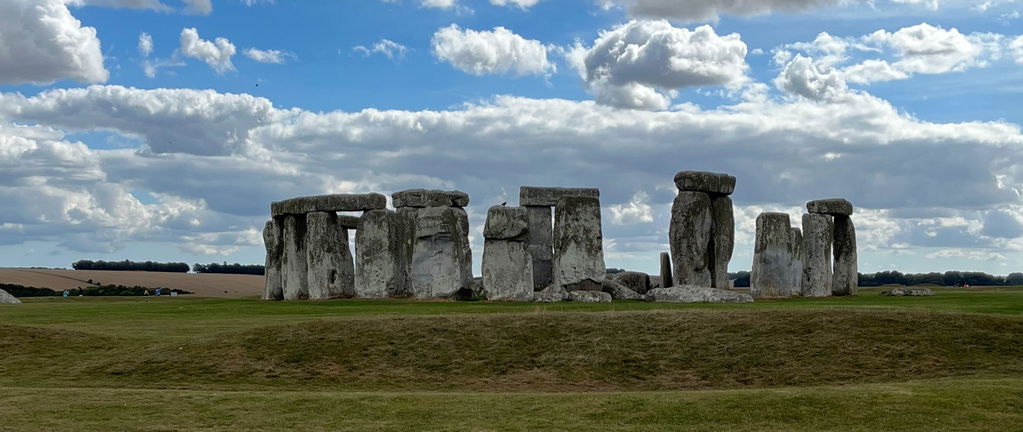
Our Cotswolds tour from Bath takes you through Castle Combe, Bibury, Bourton-on-the-Water, and Stow-on-the-Wold, with a local guide who knows where to find the hidden corners the guidebooks miss. If you'd like to combine the Cotswolds with something altogether more ancient, our Cotswolds and Stonehenge tour from Bath pairs the region's honey-stone villages with a visit to one of the world's most iconic prehistoric monuments.
Small groups. Scenic routes. Guides who genuinely love this part of England. That's the Mad Max promise.
|
The Cotswolds, the easy way Castle Combe, Bibury, Bourton and Stow in a small group from Bath, on the scenic backroads, with the driving left to someone who loves them. Explore our Cotswolds tours from Bath 🐾 |

Proudly independent member of the Go Tours UK family.