Visiting Stonehenge from Bath


Rising dramatically from the vast, open landscape of Salisbury Plain, the iconic silhouette of Stonehenge is a powerful symbol of Britain’s ancient past. But this world-famous monument is just one part of a much larger sacred landscape, rich with prehistoric wonders.
3 minute read
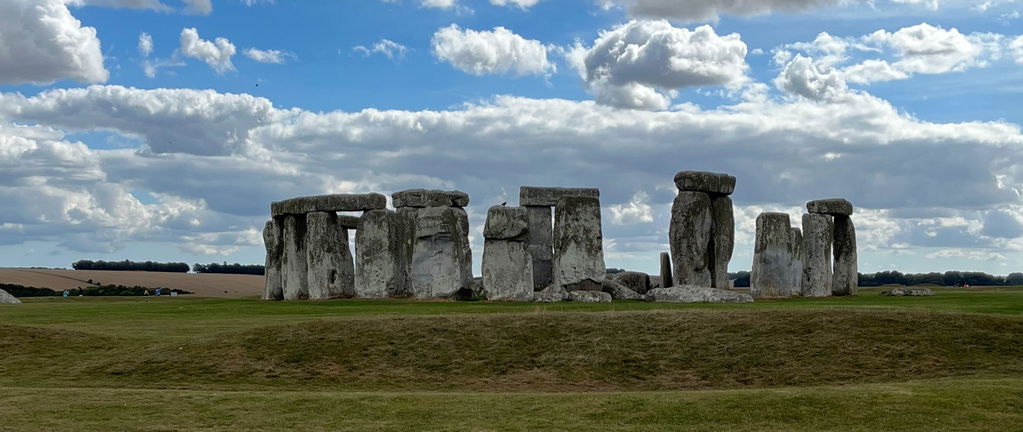
Stonehenge is a prehistoric monument on Salisbury Plain in Wiltshire, southern England. Construction began around 3000 BC and continued in distinct phases over the following fifteen centuries, a span of time longer than the entire history of Christianity. The largest stones, the sarsen megaliths that form the iconic outer ring, were transported from Marlborough Downs, roughly 25 miles away. The smaller bluestones at the centre came from the Preseli Hills in Wales, over 150 miles distant. How they were moved, with no wheels and no written plans, remains one of archaeology's most debated questions.

What we do know is that Stonehenge was almost certainly a place of ceremony and ritual. It is precisely aligned with the sunrise at the summer solstice and the sunset at the winter solstice, an arrangement too exact to be coincidental. It was also, for much of its history, a burial site: thousands of cremated remains have been found in and around the monument, some dating back to its earliest phases.
It was designated a UNESCO World Heritage Site in 1986, alongside Avebury, and attracts over a million visitors a year. It deserves every one of them.
The path around Stonehenge takes you within metres of the stones, close enough to appreciate their extraordinary scale. The largest stand over six metres tall and weigh up to 25 tonnes. Up close, you can see where the lintels were shaped to sit precisely on top of the uprights, the joints carved by hand with stone tools. The craftsmanship is quietly astonishing.
The surrounding landscape is part of the experience too. The plain stretches in every direction, dotted with ancient burial mounds (barrows) that pre-date even Stonehenge itself. On a clear morning, with the light coming low across the grass, it's one of the most atmospheric views in England.
The Stonehenge Visitor Centre, a short walk from the monument, is well worth time before or after. It holds over 250 archaeological finds, including jewellery, tools, and human remains, and features full-scale reconstructions of Neolithic houses built using the same methods and materials available to Stonehenge's builders. It gives an invaluable sense of who these people were and how they lived, turning what might otherwise be an abstract experience into a more human one.
Most people who visit Stonehenge never make it to Avebury, which is a shame, because the two sites tell quite different stories about prehistoric Britain.
Avebury is, by area, the largest stone circle in the world. It's so vast that the village of Avebury was built inside it: pubs, a manor house, a church, all encircled by an ancient henge bank and ditch. Roughly a hundred standing stones survive, some over four metres tall, arranged in a great outer ring and two smaller inner circles. Avenues of paired standing stones once stretched away from the henge in two directions, extending the sacred landscape far beyond the circle itself.

The experience of Avebury is completely different to Stonehenge. There are no barriers here. You can walk among the megaliths, rest your hand against a stone that has stood for four thousand years, and watch village life carry on around you. It's more chaotic, less composed, and in some ways more affecting for it. The sheer scale of the place, the bank alone is up to 17 metres high in places, only becomes apparent once you're inside it.
Between Avebury and Stonehenge, the landscape itself becomes part of the story. Silbury Hill, just outside Avebury, is the largest prehistoric man-made mound in Europe, a perfectly conical hill that rises 40 metres from the flat valley floor. Archaeologists have found no burial chamber inside it. Nobody knows why it was built.
Visiting both sites in a single day is not only possible, it's the best way to appreciate what makes each of them special. Stonehenge is precise, formal, and slightly awe-inspiring in the way a cathedral is awe-inspiring: you feel the weight of intent behind it. Avebury is communal, sprawling, and intimate in a way that a monument of its age has no right to be. Together, they paint a richer picture of a prehistoric world than either does alone.
They are also, officially, a single UNESCO World Heritage Site, recognised not just as individual monuments but as a sacred landscape, a whole greater than the sum of its parts.
Bath is one of the best starting points for a Stonehenge day trip. The journey through the Wiltshire countryside takes you through some of the most quietly beautiful landscape in southern England, and arriving by guided tour means you can give your full attention to the stones rather than the sat nav.
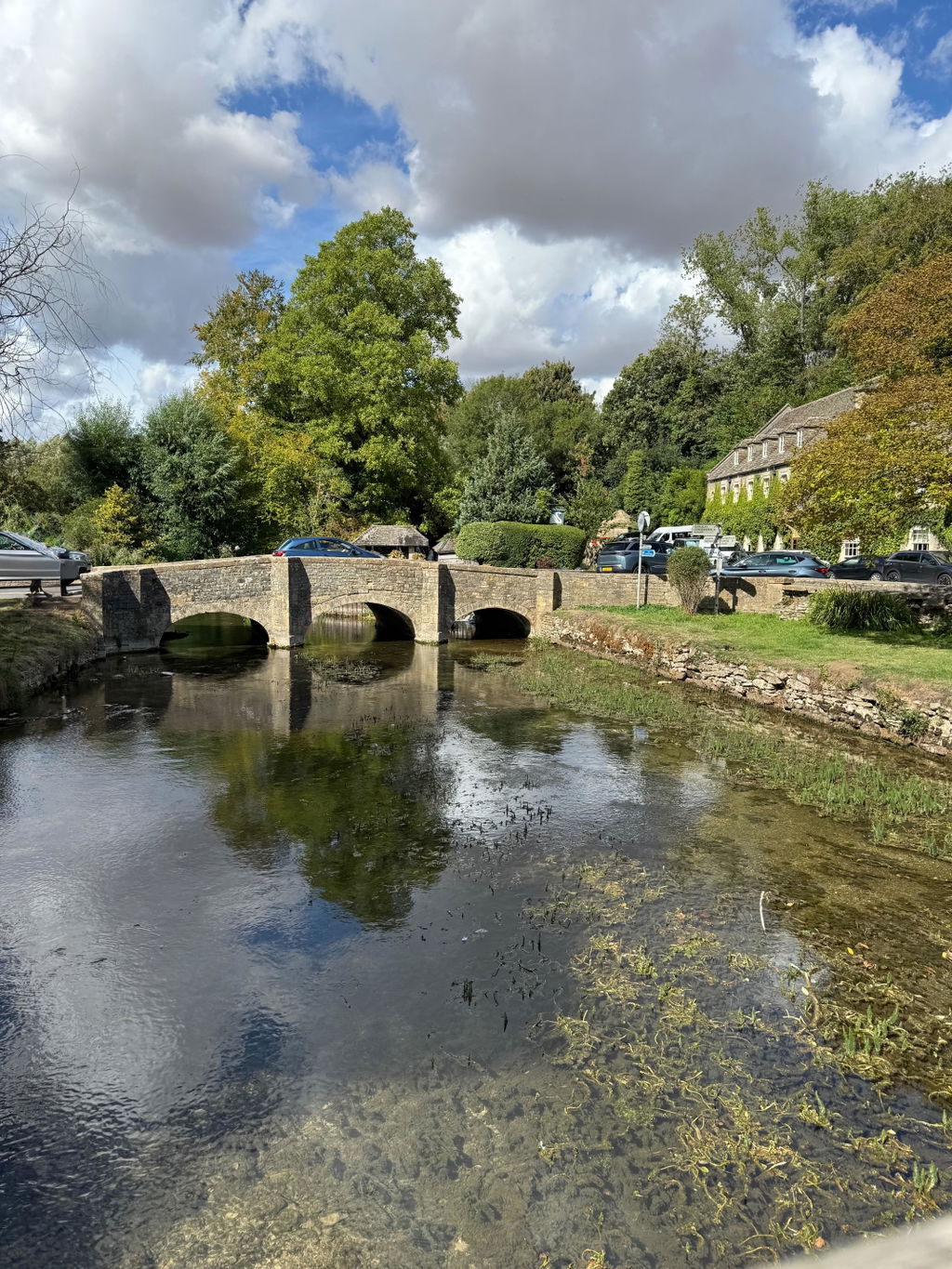
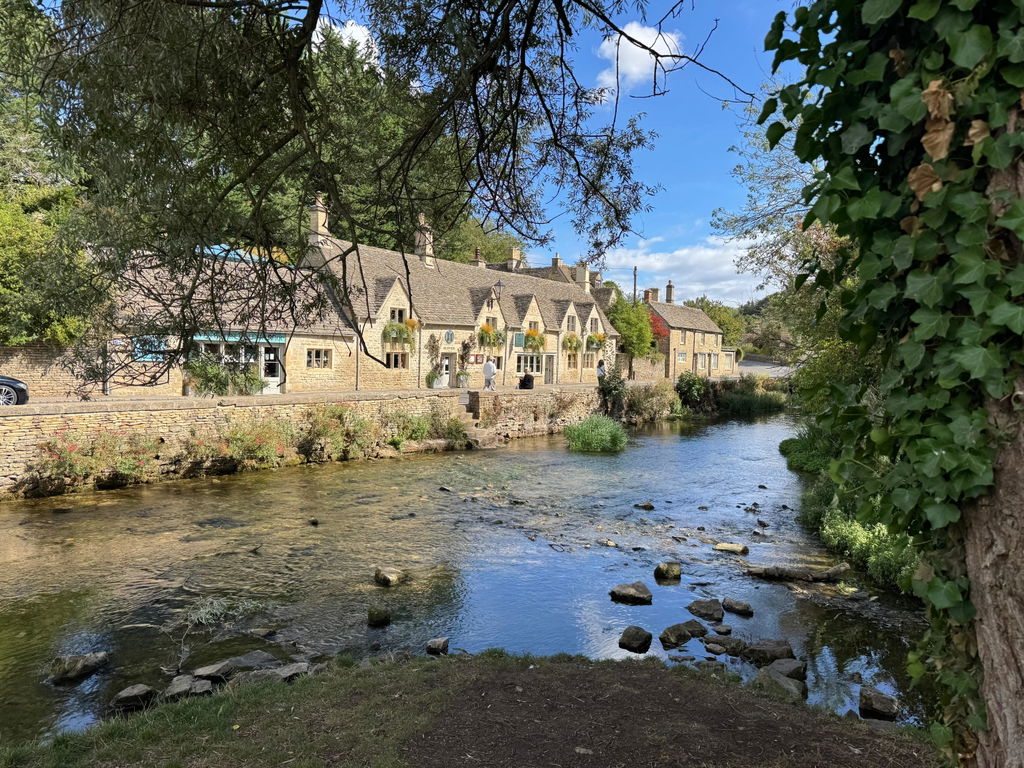
Our Cotswolds and Stonehenge tour from Bath combines a visit to Stonehenge and Avebury with a tour through the honey-stone villages of the Cotswolds: Castle Combe, Lacock, and more, making it one of the most varied and memorable single days you can spend in England. We pre-book your Stonehenge entrance tickets so you skip the queues, and our local guides bring the history of both sites to life in a way that no audio guide quite manages.

Small groups. Scenic backroads. No queuing for parking.
|
Five thousand years in a single day Stonehenge, Avebury, and the honey-stone Cotswolds villages, from Bath, in a small group with tickets pre-booked and the driving handled. Explore our Stonehenge and Cotswolds tour from Bath 🐾 |

Proudly independent member of the Go Tours UK family.